Manufacturing processes

Shape.
And finish.

From joining to finishing. Discover processes that shape, protect and give character to indoor and outdoor furniture.

Wood treatments and protection

Wood treatments and protection

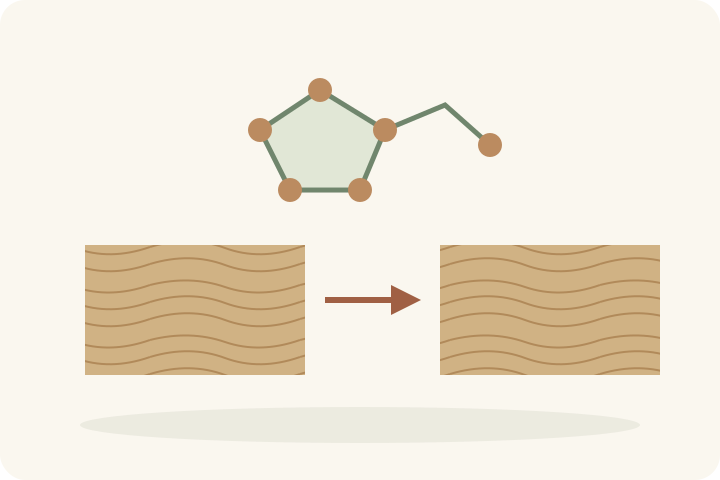
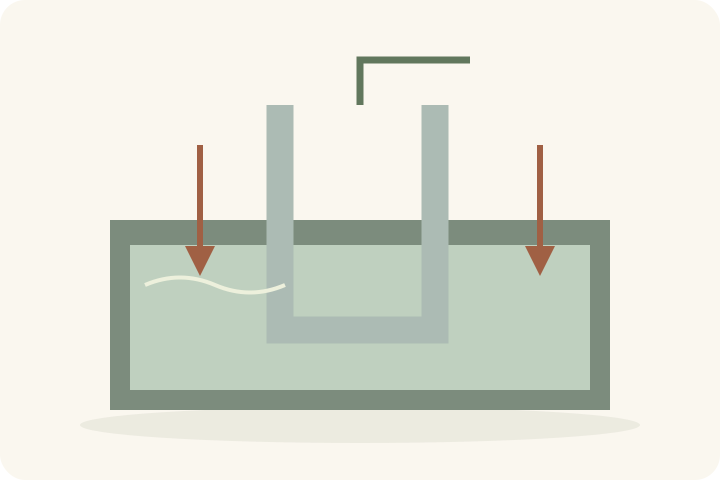
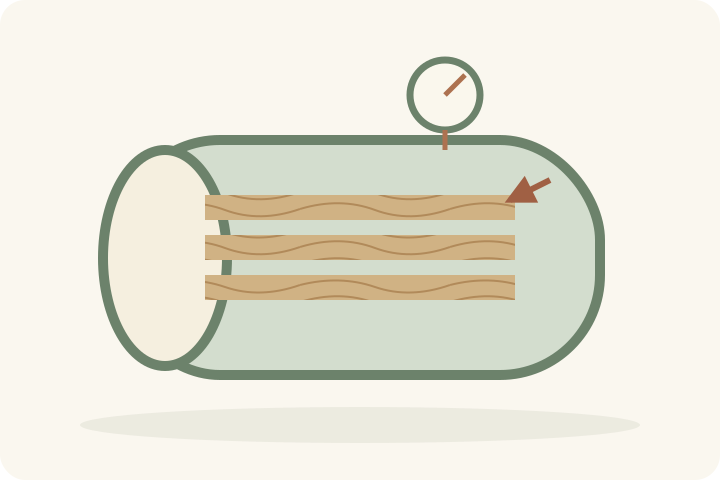
Vacuum-pressure timber treatment

Not to scale

Controlled vacuum and pressure cycles introduce a preservative into suitable timber. The purpose is biological protection, distinct from a decorative finish.

Applications
Timber specified for outdoor use and other defined exposure situations.
Selection and detail
Specify the appropriate use class and treatment; it does not waterproof every species or replace sound detailing and maintenance.
Wood treatments and protection

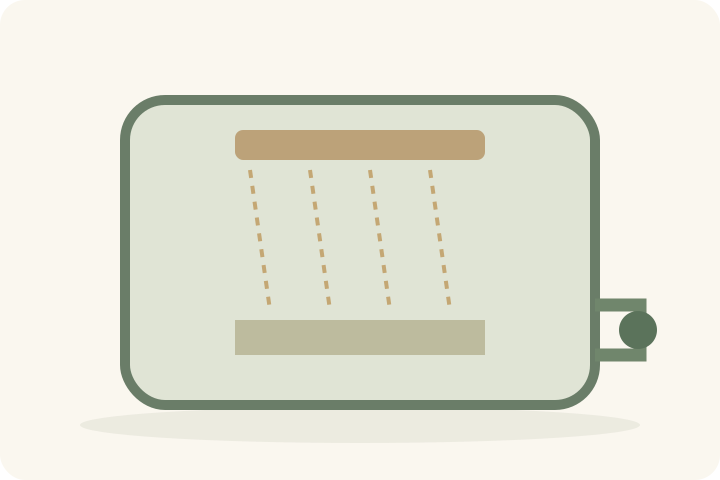
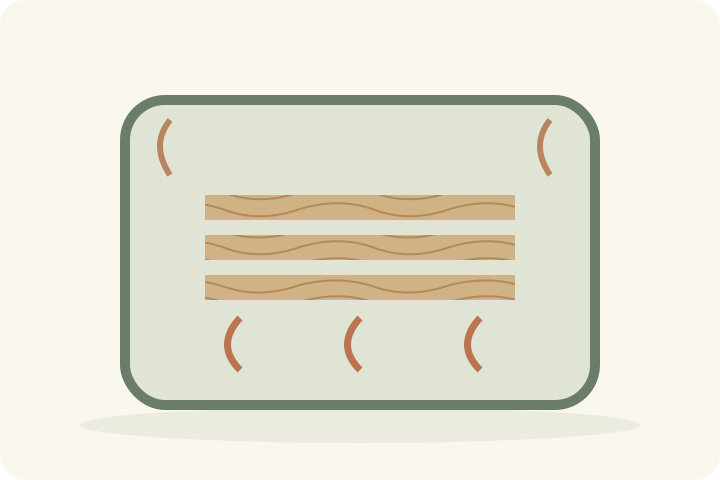
Thermal modification of wood

Not to scale

Heat and steam in controlled industrial cycles modify the wood. This is neither preservative impregnation nor simply drying.

Applications
Wood components and cladding specified for indoors or outdoors.
Selection and detail
Check species, durability, stability and mechanical strength of the product. UV exposure can change colour.
Wood treatments and protection

Wood acetylation

Not to scale

Industrial chemical modification of the cell wall reduces water affinity and improves stability of the specified product. It is not a surface film.

Applications
Modified timber components selected for the project exposure.
Selection and detail
Check product, adhesives, fixings and compatible finishes. Modification does not waterproof every assembly.
Wood treatments and protection

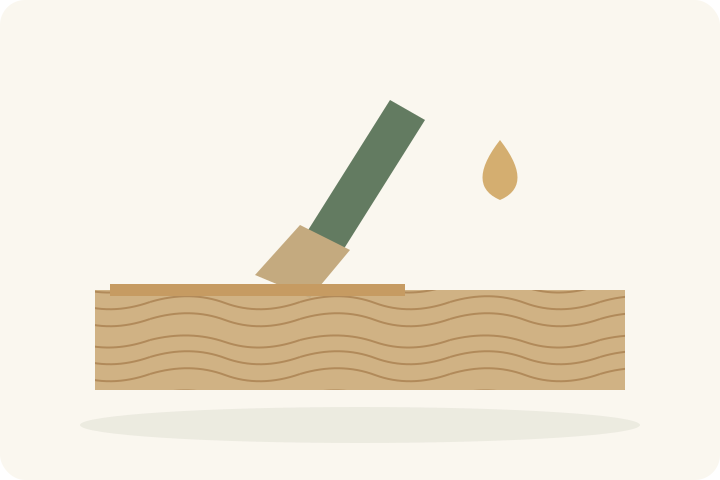
Wood oils and waxes

Not to scale

Finishes emphasising grain and feel, including penetrating oils and oil-wax systems. Indoor and outdoor uses require suitable products.

Applications
Tops, furniture and timber components according to finish specification.
Selection and detail
Check stain resistance, cleaning and renewal. Oil does not replace preservation or guarantee waterproofing.
Wood treatments and protection

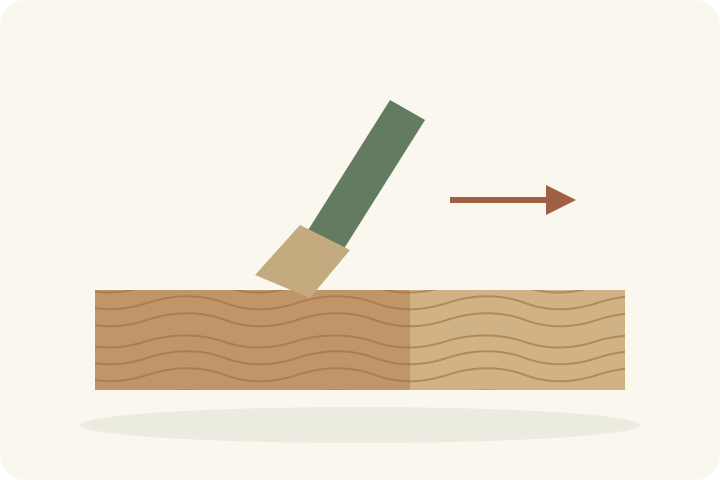
Wood stains and pigmented protection

Not to scale

Translucent finishes keep grain visible. Pigment, binder and coating build affect protection and maintenance.
Applications
Furniture and wood elements with exposure-appropriate finishes.
Selection and detail
Check outdoor suitability and product UV protection. Not every stain contains preservatives; maintain the specified system.
Wood treatments and protection

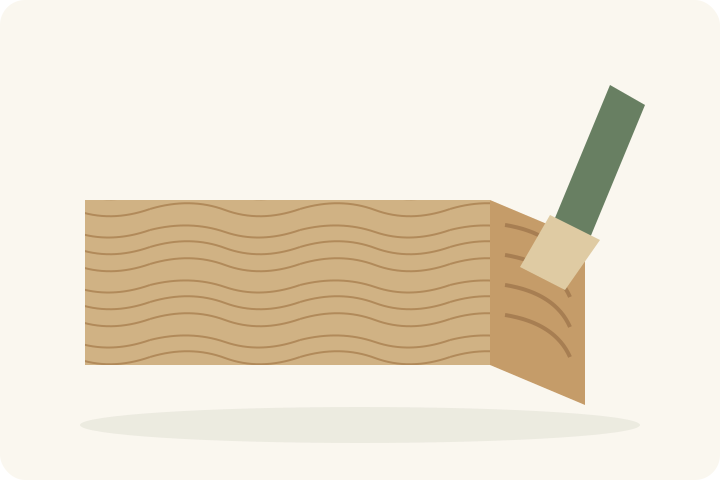
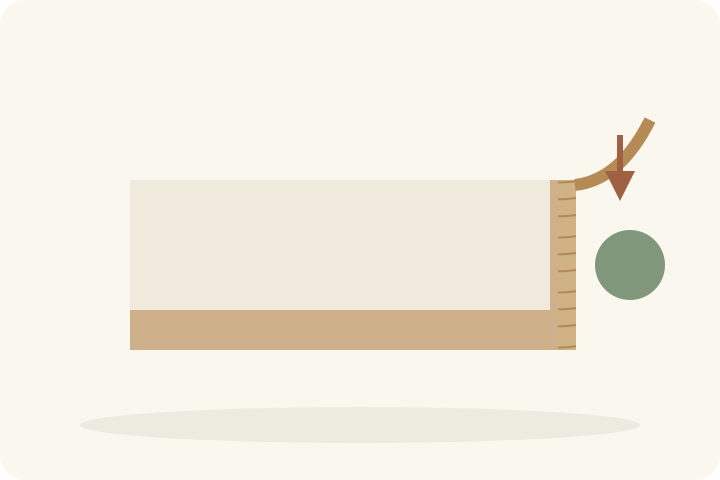
End-grain and cut sealing

Not to scale

Specialist products reduce moisture entry through end grain and cuts within a compatible coating system.

Applications
Ends of slats, legs, tops and other timber parts.
Selection and detail
Check compatibility with treated wood and finishes. Drainage, ventilation and maintenance remain necessary.
Wood treatments and protection

Surface and dip preservation

Not to scale

Surface application or controlled dipping with an authorised preservative under the specified process. Penetration differs from pressure treatment.

Applications
Wood and exposures covered by the treatment specification.
Selection and detail
Check species, use class and documented efficacy. Do not assume pressure-treatment equivalence or ground-contact suitability.

Metal forming and joining

Metal forming and joining

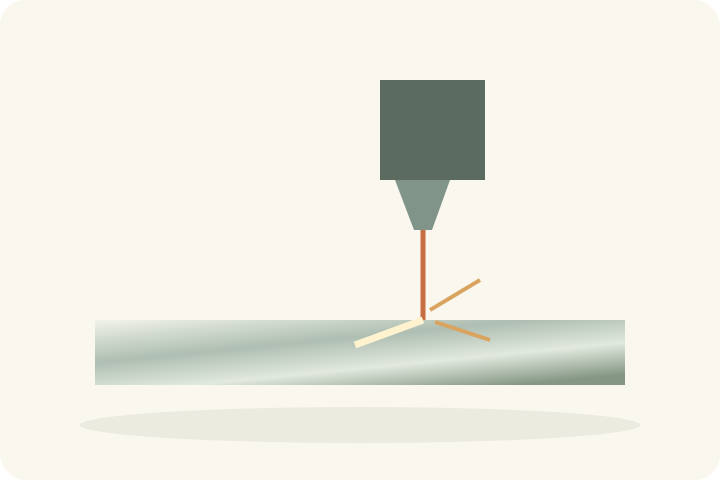
Metal cutting · laser and waterjet

Not to scale

Laser cutting uses concentrated beam energy; abrasive waterjet removes material without a laser-like heat-affected cutting zone. Alloy, thickness and geometry guide the choice.

Applications
Sheet metal, decorative panels and frame components.
Selection and detail
Confirm tolerances, edge quality and finishing operations.
Metal forming and joining

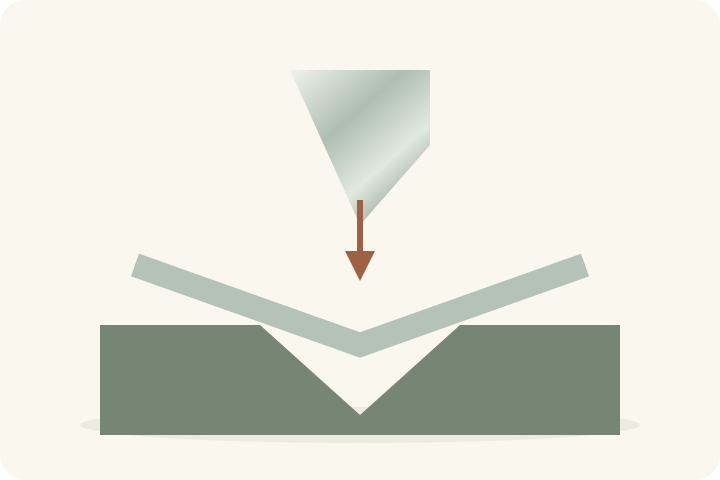
Sheet-metal bending

Not to scale

Sheet is bent between tools to form angles and profiles. Bend radius and springback vary with alloy and thickness.

Applications
Bases, brackets, shelves and connecting parts.
Selection and detail
Allow for radii, finish direction and tooling access in the design.
Metal forming and joining

Tube and profile bending

Not to scale

Tubes and profiles are bent into shape; rolling also produces curved sheet. Techniques vary with cross-section and required radius.

Applications
Arms, legs, backrests and curved frames.
Selection and detail
Check ovalisation, connections and achievable radii for each profile.
Metal forming and joining

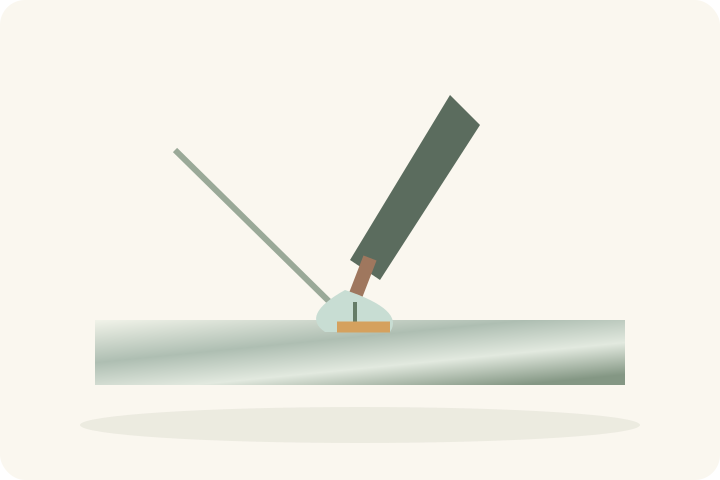
TIG welding

Not to scale

An arc from a non-consumable tungsten electrode melts the joint under shielding gas. Filler metal may be added depending on the joint.

Applications
Carefully finished joints in stainless steel, aluminium and other compatible metals.
Selection and detail
Alloy, thickness and joint preparation determine the procedure and finish.
Metal forming and joining

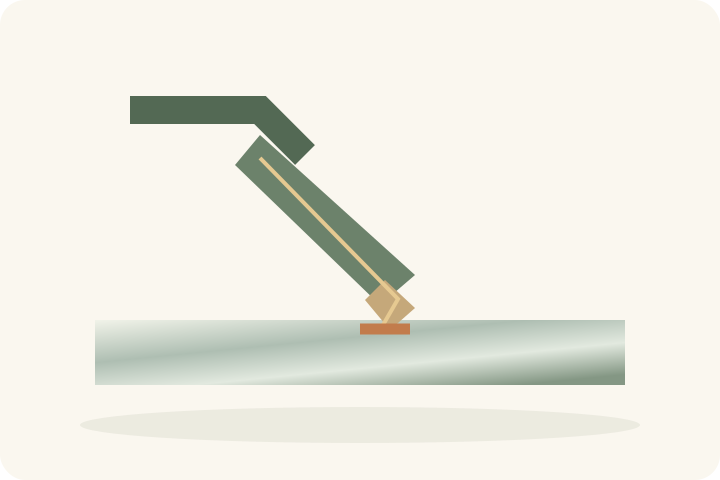
MIG/MAG welding

Not to scale

A continuously fed consumable wire forms the joint under shielding gas. MIG uses inert gas, while MAG uses active gas or mixtures containing active components.

Applications
Metal frames and components with procedures matched to the alloy.
Selection and detail
Select compatible wire, gas and preparation; the process name alone does not establish joint quality.
Metal forming and joining

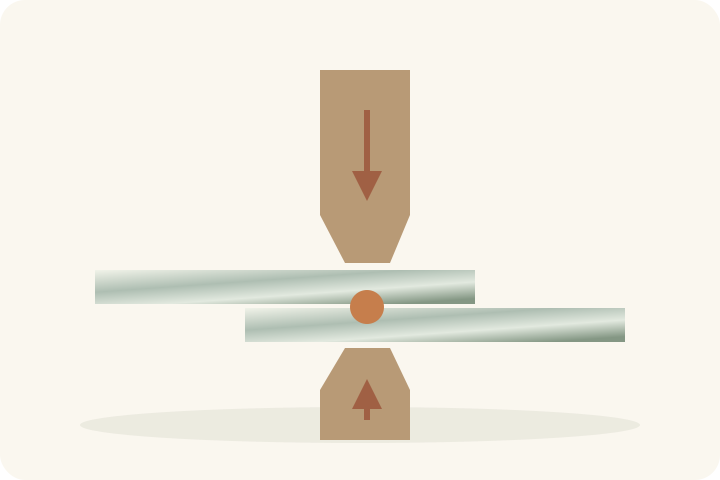
Resistance spot welding

Not to scale

Electrical current locally heats parts pressed between electrodes. Spot welding creates local joints, commonly in overlapping sheets.

Applications
Sheet-metal components and selected wire assemblies.
Selection and detail
Electrode access, coatings and thicknesses affect suitability and visible marks.
Metal forming and joining

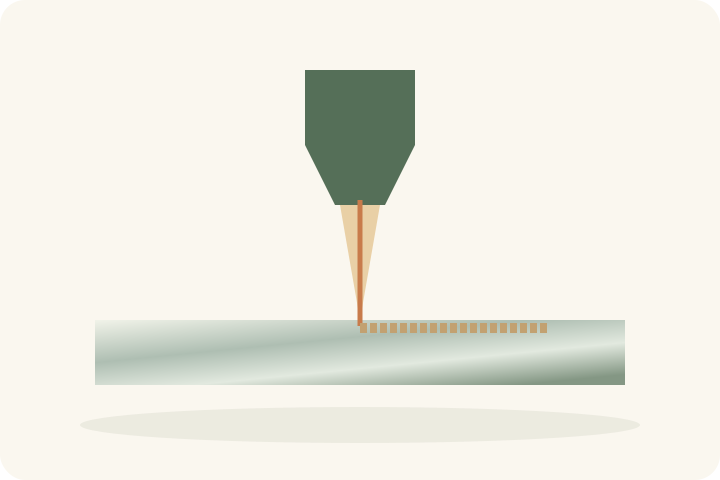
Laser welding

Not to scale

A concentrated beam melts a narrow joining zone. It may be automated and use filler material depending on the system and joint.

Applications
Precision joints in compatible metal components.
Selection and detail
Part fit-up and procedure validation are essential; joint inspection remains necessary.
Metal forming and joining

Metal polishing and brushing

Not to scale

Abrasives progressively change surface texture. Polishing aims for greater reflection, while brushing creates a directional satin pattern.

Applications
Stainless steel, aluminium, brass and decorative metal details.
Selection and detail
Texture does not replace corrosion protection; avoid carbon-steel particle contamination on stainless steel.

Metal finishes and protection

Metal finishes and protection

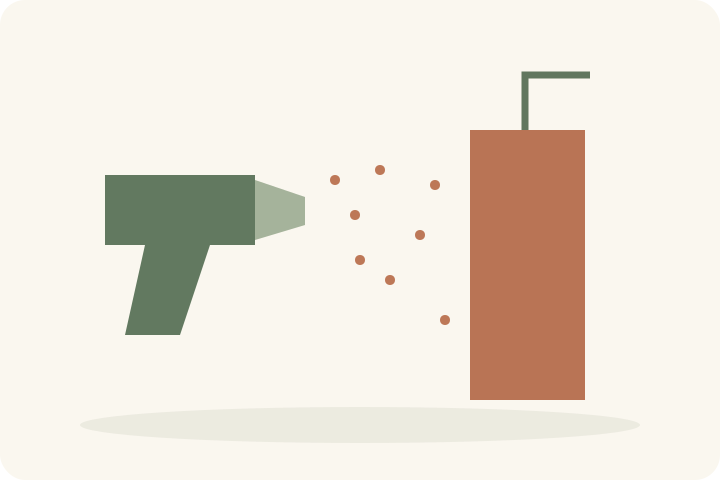
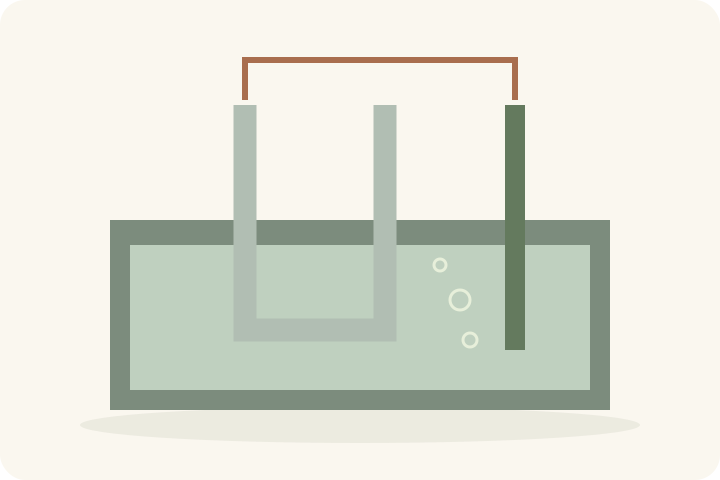
Powder coating

Not to scale

Powder is applied to a prepared part and forms a film during curing. Different resins, textures and gloss levels are available.

Applications
Metal frames with uniform-colour or textured finishes.
Selection and detail
For outdoor use, specify an appropriate system and pretreatment; not every powder coating is an outdoor grade.
Metal finishes and protection

Metallisation · thermal spraying

Not to scale

Zinc, aluminium or suitable alloys are sprayed onto prepared steel. This metallic layer can form part of a sealed and painted coating system.

Applications
Corrosion protection for steel structures according to exposure.
Selection and detail
Distinguish this from decorative PVD; surface preparation, thickness and final system require specification.
Metal finishes and protection

Hot-dip galvanizing

Not to scale

Prepared steel is immersed in molten zinc, producing a coating bonded to the substrate. This differs from paint containing zinc pigments.

Applications
Steel frames for environments suited to this protection.
Selection and detail
Allow for draining and venting hollow parts; agree appearance and tolerances before manufacture.
Metal finishes and protection

Aluminium anodising

Not to scale

An electrochemical process converts the aluminium surface into an oxide layer. It may retain a natural appearance or incorporate colour, with sealing appropriate to the system.

Applications
Aluminium profiles, components and details.
Selection and detail
Alloy and preparation affect colour; approve samples and specifications for the intended exposure.
Metal finishes and protection

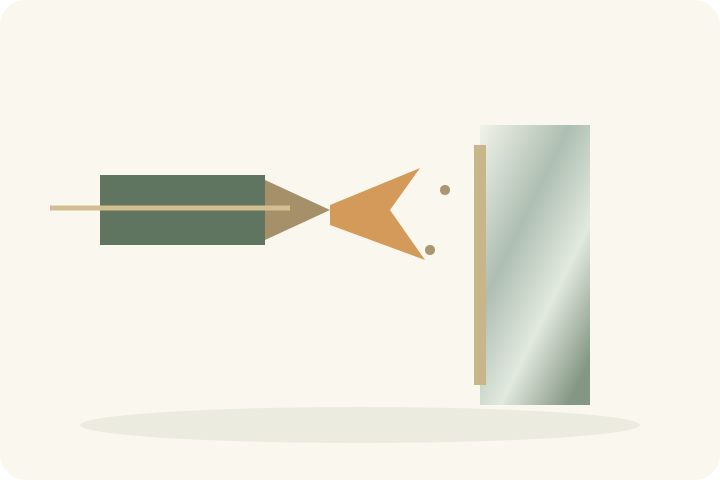
PVD · decorative coating

Not to scale

Physical vapour deposition creates a very thin film under vacuum. It enables metallic effects such as gold or bronze on prepared, compatible substrates.

Applications
Handles, legs, profiles and decorative accents.
Selection and detail
It is not equivalent to anticorrosive metallisation; performance and outdoor suitability depend on the full system.

Timber and panels

Timber and panels

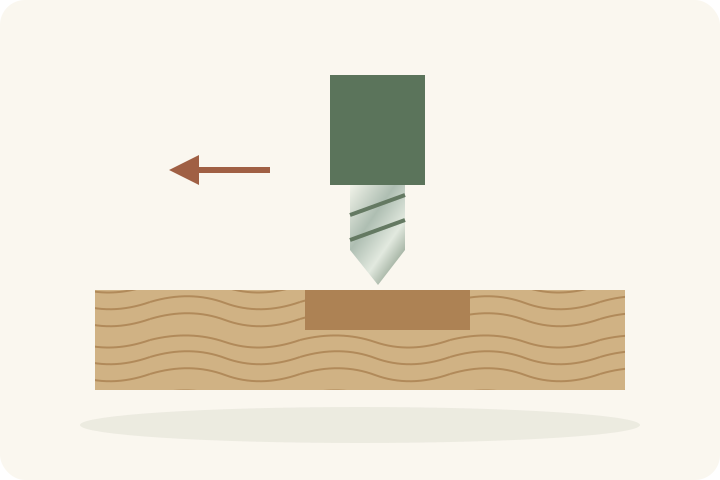
CNC cutting and machining

Not to scale

Digitally controlled tools cut, rout and drill timber and panels. The design defines geometry, joints and repeatable parts.

Applications
Bespoke furniture, fronts, slatted panels and shaped components.
Selection and detail
Select substrate, thickness and edge finish; CNC does not change a material’s moisture resistance.
Timber and panels

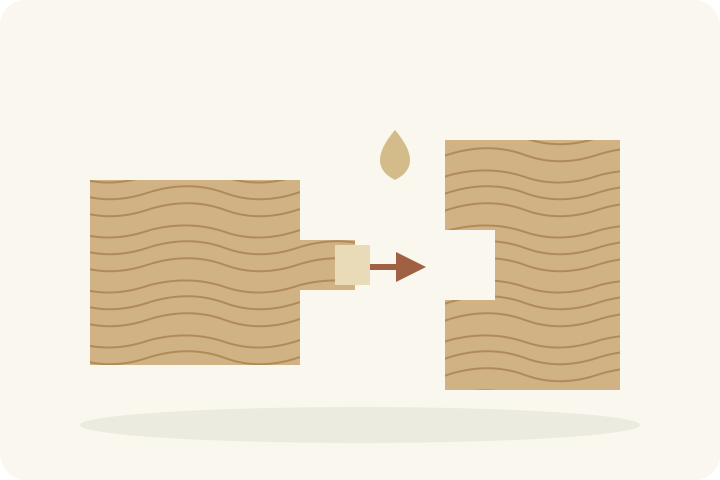
Joinery and bonding

Not to scale

Joints, dowels, tenons and fittings connect parts; adhesives may supplement or form the bond. Solutions differ for solid timber and panels.

Applications
Cabinets, tables, chairs and timber frames.
Selection and detail
Design for loads and timber movement; select adhesives and fittings for the service environment.
Timber and panels

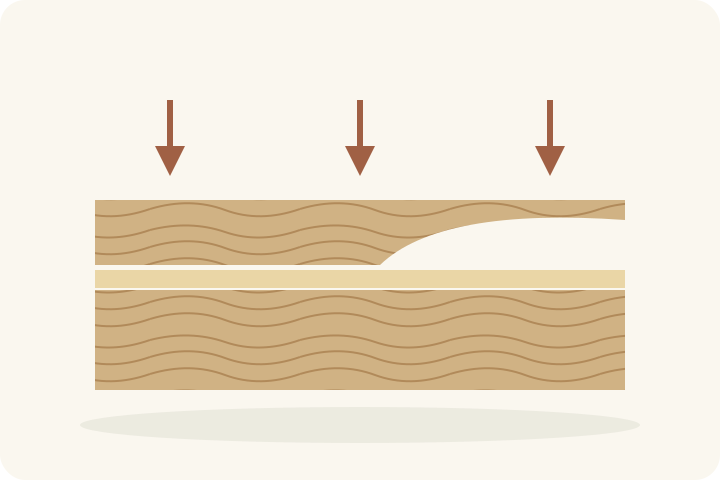
Wood veneering

Not to scale

Thin natural wood sheets are bonded to a prepared substrate. Veneer cut, orientation and matching create different grain patterns.

Applications
Tabletops, fronts, panels and interior cladding.
Selection and detail
Confirm substrate, grain continuity and finish; natural veneer is not solid timber.
Timber and panels

Edge banding

Not to scale

Wood or polymer edging covers the narrow edge of a panel. Bonding may use adhesives or activated functional-layer technologies depending on the materials.

Applications
Panel-based fronts, shelves, tops and cabinet bodies.
Selection and detail
Panel, edging and joint determine the finish; a discreet joint does not make furniture waterproof.
Timber and panels

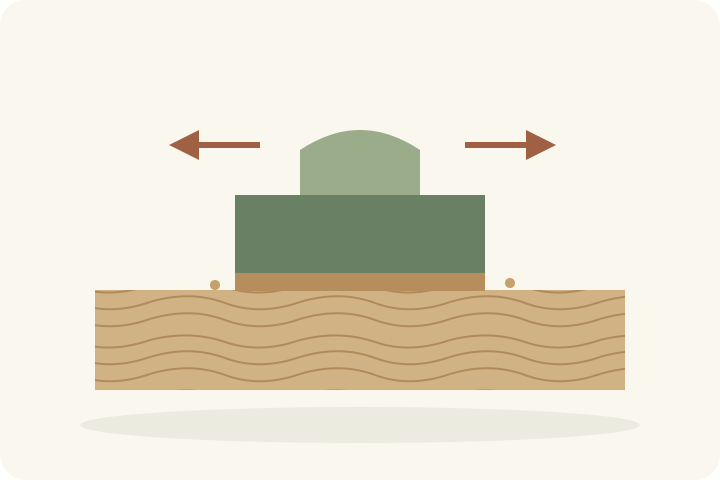
Wood sanding and preparation

Not to scale

Abrasives even the surface and prepare the finish’s adhesion and feel. Work may be manual or mechanised on flat or shaped pieces.

Applications
Solid timber, veneers and panels receiving a finish.
Selection and detail
Preparation must respect veneer thickness and the selected coating system.
Timber and panels

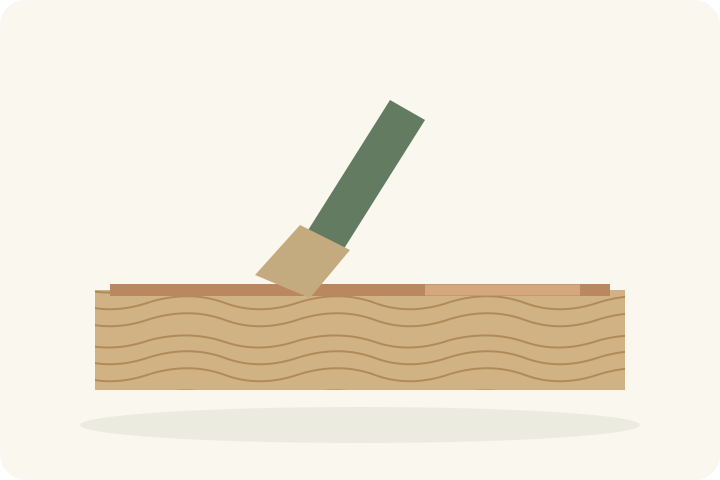
Lacquers, clear coats and oils

Not to scale

Pigmented lacquer can create uniform colour; clear coatings reveal grain, while oils offer a different feel and maintenance approach. Waterborne, solvent-based and UV-curing systems exist depending on the product.

Applications
Lacquered fronts, tabletops, timber and veneered pieces.
Selection and detail
Select for scratches, stains and exposure; approve a sample, gloss level and maintenance plan.

Plastics, composites, stone and glass

Plastics, composites, stone and glass

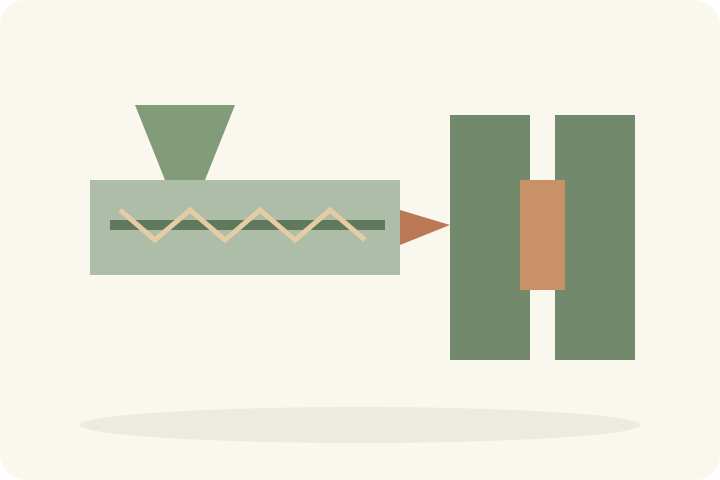
Plastic injection moulding

Not to scale

Molten thermoplastic enters a mould and solidifies into the required shape. Reinforced compounds and assisted-injection variants may be used.

Applications
Seats, shells, feet and repeated components.
Selection and detail
Resin, additives, mould and part testing determine performance; the process name does not guarantee outdoor suitability.
Plastics, composites, stone and glass

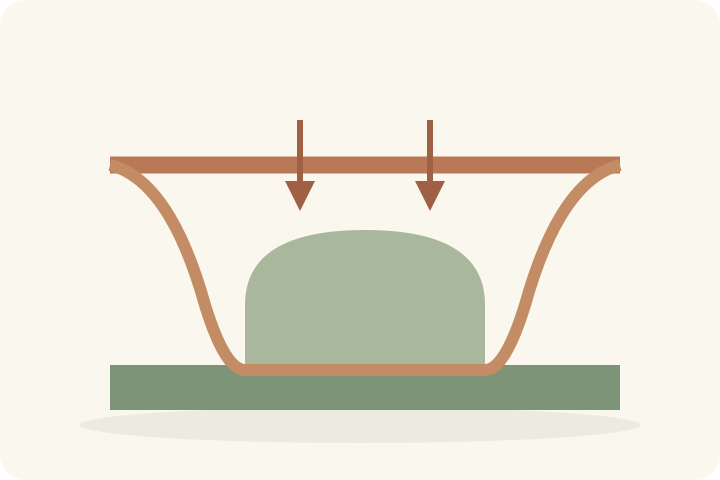
Plastic thermoforming

Not to scale

A heat-softened thermoplastic sheet takes the shape of a mould. Vacuum or pressure can assist forming.

Applications
Shells, cladding and components with suitable geometry.
Selection and detail
Validate thickness distribution and draw-depth limits for each material and design.
Plastics, composites, stone and glass

Composite moulding

Not to scale

Reinforcing fibres and resin form a part in a mould. Hand lay-up, infusion and resin-transfer moulding are variants whose results depend on the system.

Applications
Shells, bases and special lightweight or complex-shaped parts.
Selection and detail
Select reinforcement, resin, finish and testing for load and exposure; appearance does not verify composition.
Plastics, composites, stone and glass

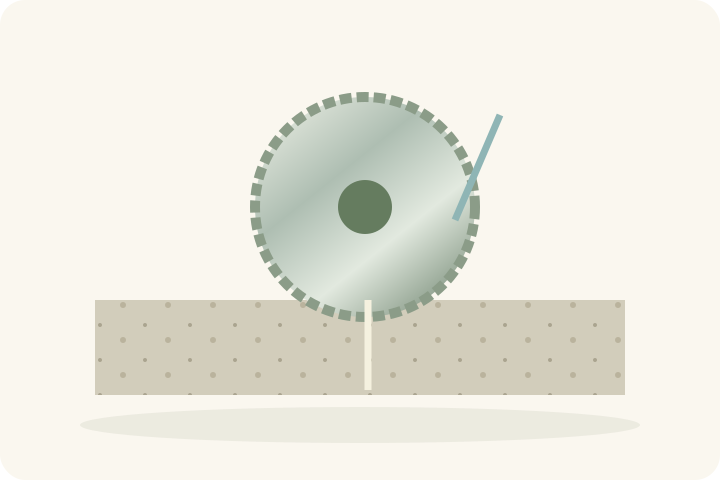
Stone and ceramic cutting and finishing

Not to scale

Suitable saws, waterjet or machining turn slabs into bespoke parts. Edges can receive different profiles within the material’s limits.

Applications
Dining tops, coffee tables, consoles and support surfaces.
Selection and detail
Size supports, cut-outs and thicknesses for the slab; natural stone and ceramic do not share every fabrication rule.
Plastics, composites, stone and glass

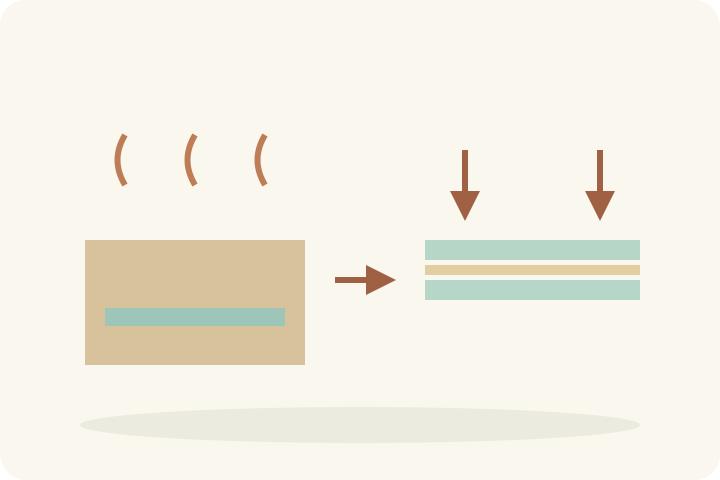
Glass toughening and lamination

Not to scale

Thermal toughening changes glass stresses through controlled heating and cooling. Lamination bonds sheets with an interlayer that helps retain fragments after breakage.

Applications
Tabletops, shelves and panels according to the design and specified build-up.
Selection and detail
These are distinct, combinable processes; plan holes and cut-outs before toughening and validate application safety.
Guides to help you chooseKey distinctions to guide your choice.

Know before choosing

Details make the difference.

Compare construction, use and finish.

01

How is metal joined?

TIG welding
An arc from a non-consumable tungsten electrode melts the joint under shielding gas. Filler metal may be added depending on the joint.
MIG/MAG welding
A continuously fed consumable wire forms the joint under shielding gas. MIG uses inert gas, while MAG uses active gas or mixtures containing active components.
02

Protection or decoration?

Metallisation · thermal spraying
Zinc, aluminium or suitable alloys are sprayed onto prepared steel. This metallic layer can form part of a sealed and painted coating system.
PVD · decorative coating
Physical vapour deposition creates a very thin film under vacuum. It enables metallic effects such as gold or bronze on prepared, compatible substrates.
03

Core or surface?

Wood veneering
Thin natural wood sheets are bonded to a prepared substrate. Veneer cut, orientation and matching create different grain patterns.
Lacquers, clear coats and oils
Pigmented lacquer can create uniform colour; clear coatings reveal grain, while oils offer a different feel and maintenance approach. Waterborne, solvent-based and UV-curing systems exist depending on the product.

#218Concept

Shall we choose together?

Space, sunlight, moisture, comfort and maintenance help us find the right combination for your project.

Selection depends on material, design, use and exposure. Applicable processes and finishes are confirmed for each proposal. Images help explore details; they do not replace product references and specifications.

Manufacturing processes

Guides to help you choose

Manufacturing processes

Shall we prepare your quote?

Tell us about the space, dimensions and what you need.

Request a quote