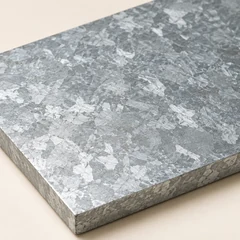
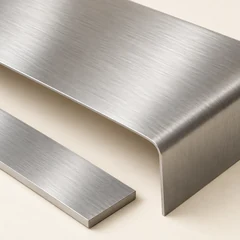
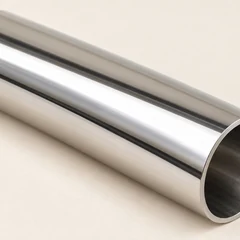
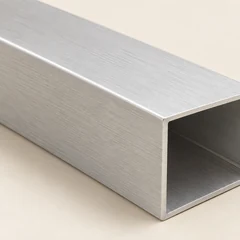
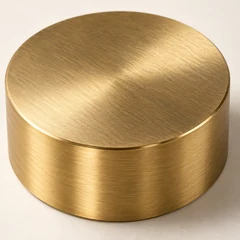
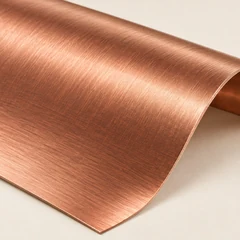
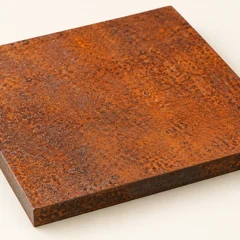
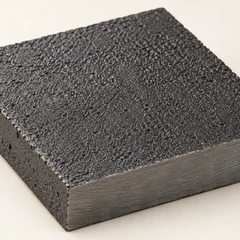
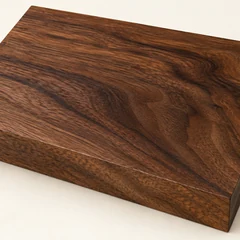
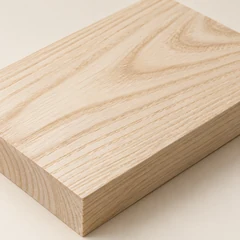
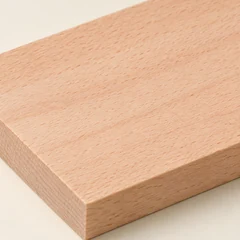
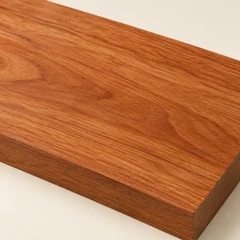
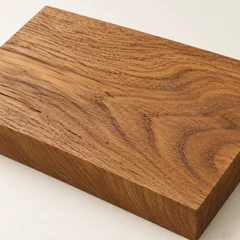
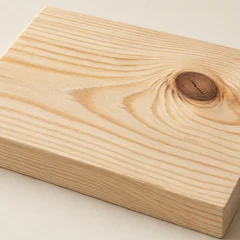
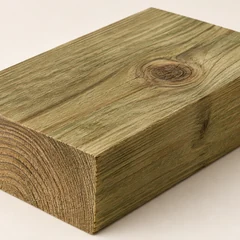
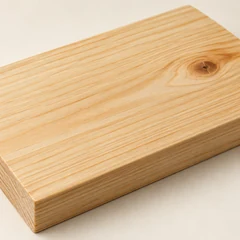
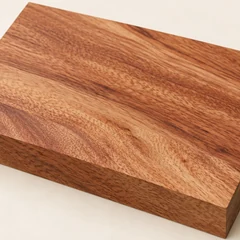
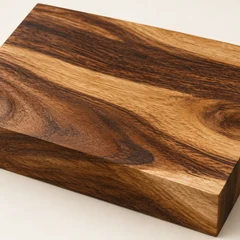
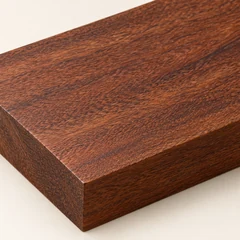
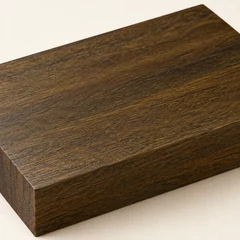
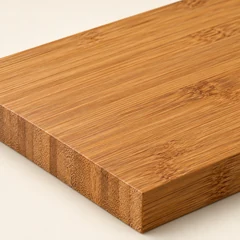
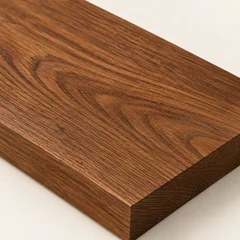
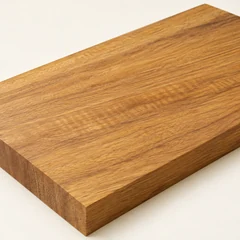
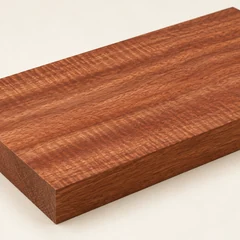
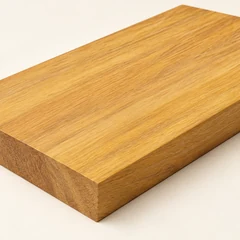
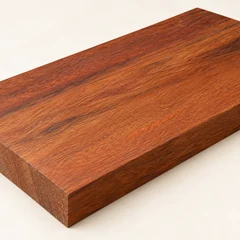
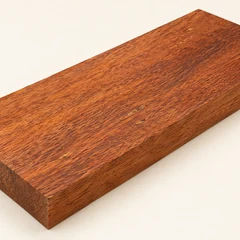
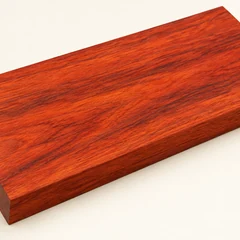
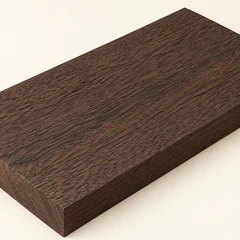
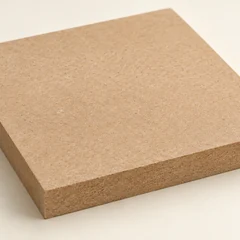
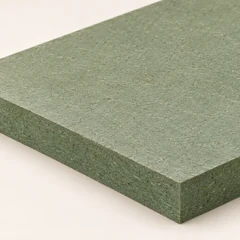
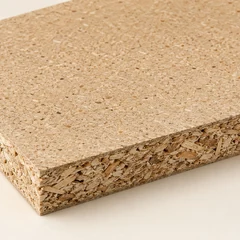
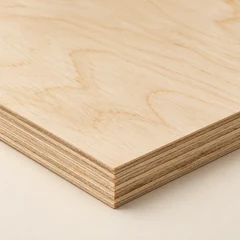
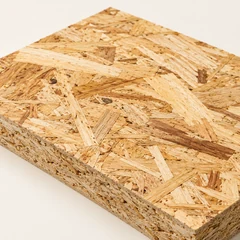
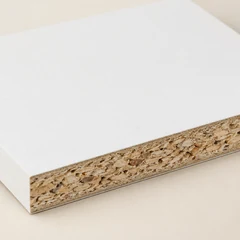
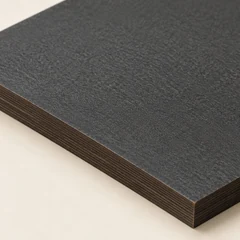
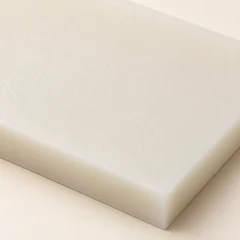
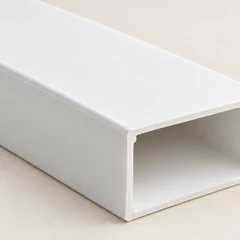
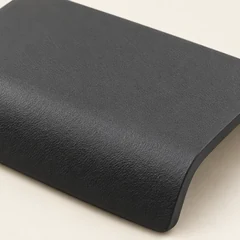
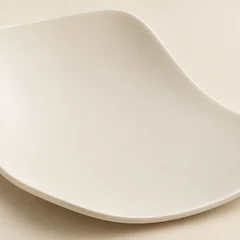
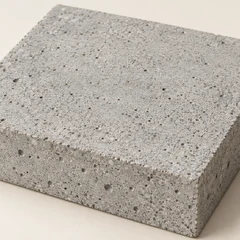
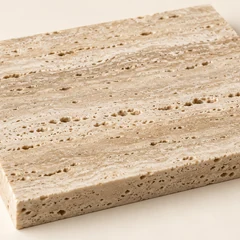
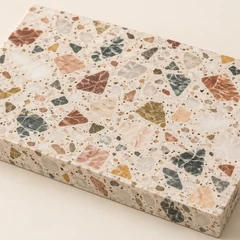
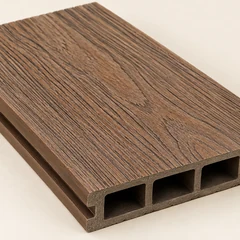
Images show combinations of textures and finishes; appearance does not verify composition or technical classification.
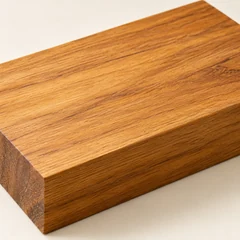
Afzelia spp., also traded as doussié or chanfuta, is an African timber with reddish-brown heartwood and pale sapwood. Reference density is about 750–830 kg/m³, varying with species and moisture. The heartwood is highly durable and the timber notably stable.
Applications
Furniture, joinery, flooring and correctly detailed outdoor pieces.
Care and selection
Do not treat a trade name as certified botanical identification. Exclude sapwood from demanding exposure; pre-drill and select suitable fixings; test bonding and finishes because deposits or exudates may occur. Verify legal origin, batch identity and applicable CITES documents for African populations.
Images show combinations of textures and finishes; appearance does not verify composition or technical classification.
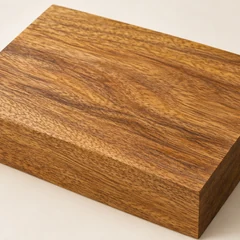
Pericopsis elata is an African timber with golden-to-brown colour, fine grain and good dimensional stability.
Applications
Furniture, veneer, joinery, flooring and well-detailed outdoor work.
Care and selection
Select heartwood, avoid trapped water and pre-drill where needed. This species is CITES-listed: require identification, legal origin, traceability and applicable documents; do not assume availability or certification.
Images show combinations of textures and finishes; appearance does not verify composition or technical classification.
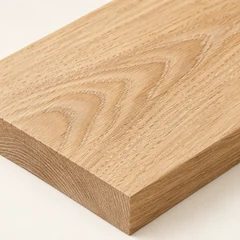
Entandrophragma cylindricum is a reddish-brown African timber, often with interlocked grain and ribbon figure. It should not be sold simply as “mahogany” without identification.
Applications
Interior furniture, veneer, doors, panelling, joinery and flooring; outdoors only with suitable selection, detailing and finish.
Care and selection
Interlocked grain may tear during machining. Test the finish, control moisture and verify species and legal origin for the batch.
Images show combinations of textures and finishes; appearance does not verify composition or technical classification.
Hymenaea courbaril is a dense American timber ranging from orange-brown to reddish-brown. “Brazilian cherry” is a trade name; it is not a Prunus species.
Applications
Furniture, tops, stairs, joinery and flooring; outdoors only with suitable specification and detailing.
Care and selection
Pre-drill and size tools and fixings for dense timber. Test the finish and verify species and legal origin.
Images show combinations of textures and finishes; appearance does not verify composition or technical classification.
Intsia spp. is a Southeast Asian and Pacific timber ranging from orange-brown to reddish-brown, sometimes with small yellow mineral deposits.
Applications
Furniture, flooring, joinery and correctly detailed outdoor pieces.
Care and selection
Extractives may stain adjacent materials or finishes, so test first. Pre-drill, avoid trapped water and verify species, legal origin and batch documents.
Images show combinations of textures and finishes; appearance does not verify composition or technical classification.
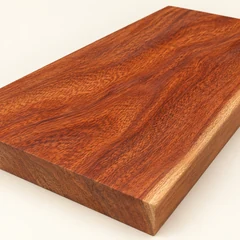
Pterocarpus soyauxii has vivid orange-to-red colour that normally darkens with light. “Padauk” can also refer to other Pterocarpus species, so identification matters.
Applications
Furniture, veneer, joinery, flooring and decorative details; outdoors when properly specified.
Care and selection
Control dust and splinters with suitable protection, test extractives and finish, and verify species and legal origin.
Images show combinations of textures and finishes; appearance does not verify composition or technical classification.
Millettia laurentii is a dark-brown African timber with near-black streaks and open grain. Panga panga is similar in appearance but should not be assumed to be the same species.
Applications
Interior furniture, veneer, panelling, details and flooring.
Care and selection
Splinters can be severe and dust requires extraction and personal protection. Fill the grain when the finish calls for it, and verify species and legal origin.
Images show combinations of textures and finishes; appearance does not verify composition or technical classification.
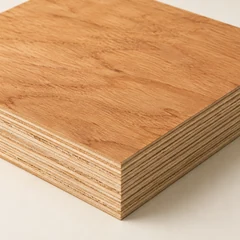
Bonded wood veneers, generally with alternating grain direction. Species, glue and face grade distinguish boards; a marine label still requires checking the specification.
Applications
Furniture, fronts, panels and bespoke joinery according to product.
Care and selection
Select the use grade and seal edges and joints as specified. Moisture resistance does not mean waterproofing or automatic outdoor suitability.
Images show combinations of textures and finishes; appearance does not verify composition or technical classification.
A thermoplastic family used in moulded pieces, planters and components. HDPE is the high-density variant; UV protection and stiffness depend on formulation.
Applications
Moulded pieces, panels and components according to specification.
Care and selection
Check UV stabilisation, service temperature and cleaning in the product specification. Avoid solvents and abrasives unless approved by the manufacturer.
Images show combinations of textures and finishes; appearance does not verify composition or technical classification.
Available in rigid, flexible and foamed versions with different behaviour. Furniture uses include profiles and panels; weather resistance depends on the grade.
Applications
Moulded pieces, panels and components according to specification.
Care and selection
Check UV stabilisation, service temperature and cleaning in the product specification. Avoid solvents and abrasives unless approved by the manufacturer.
Images show combinations of textures and finishes; appearance does not verify composition or technical classification.
A thermoplastic used in moulded components and board edging. Sunlight and weather suitability require a specific grade.
Applications
Moulded pieces, panels and components according to specification.
Care and selection
Check UV stabilisation, service temperature and cleaning in the product specification. Avoid solvents and abrasives unless approved by the manufacturer.
Images show combinations of textures and finishes; appearance does not verify composition or technical classification.
A thermoplastic often selected for exposed components through weather-oriented formulations. Confirm performance and finish for the chosen grade.
Applications
Moulded pieces, panels and components according to specification.
Care and selection
Check UV stabilisation, service temperature and cleaning in the product specification. Avoid solvents and abrasives unless approved by the manufacturer.
Images show combinations of textures and finishes; appearance does not verify composition or technical classification.
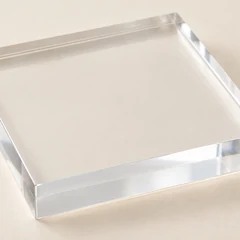
Transparent or coloured thermoplastic for moulded pieces and sheets. UV and scratch resistance depend on grade and coating.
Applications
Moulded pieces, panels and components according to specification.
Care and selection
Check UV stabilisation, service temperature and cleaning in the product specification. Avoid solvents and abrasives unless approved by the manufacturer.
Images show combinations of textures and finishes; appearance does not verify composition or technical classification.
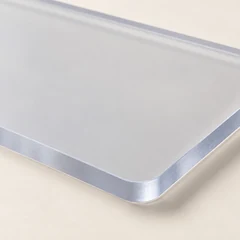
Plastic sheets available clear, translucent or coloured. Thickness, finish and support determine the application.
Applications
Moulded pieces, panels and components according to specification.
Care and selection
Check UV stabilisation, service temperature and cleaning in the product specification. Avoid solvents and abrasives unless approved by the manufacturer.
Images show combinations of textures and finishes; appearance does not verify composition or technical classification.
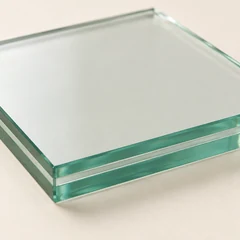
Toughened glass is heat-treated; laminated glass bonds sheets with an interlayer. Their breakage behaviour differs and selection depends on the application.
Applications
Tops, tables and cladding according to product and design.
Care and selection
Use a surface-compatible cleaner and avoid edge impacts. Check sealing, support, staining and outdoor suitability.
Images show combinations of textures and finishes; appearance does not verify composition or technical classification.
Wood fibre or flour mixed with polymer, available in various profiles. Not solid timber; expansion, ventilation and fixings follow the selected system.
Applications
Decking, boards and outdoor elements according to product.
Care and selection
Check UV stabilisation, service temperature and cleaning in the product specification. Avoid solvents and abrasives unless approved by the manufacturer.
Images show combinations of textures and finishes; appearance does not verify composition or technical classification.
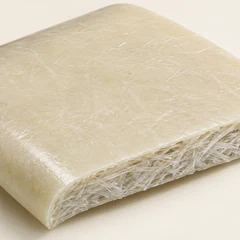
Glass fibre reinforces a matrix, either thermoplastic or thermosetting resin. Composition distinguishes furniture pieces and planters with different performance.
Applications
Moulded pieces, panels and components according to specification.
Care and selection
Check UV stabilisation, service temperature and cleaning in the product specification. Avoid solvents and abrasives unless approved by the manufacturer.
Images show combinations of textures and finishes; appearance does not verify composition or technical classification.
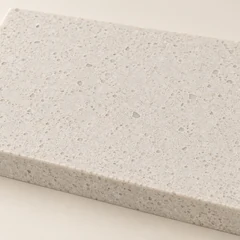
A composite of mineral fillers and resin, with acrylic grades formable using dedicated processes. Different from engineered quartz and sintered surfaces.
Applications
Tops, counters and bespoke pieces. Check heat, outdoor exposure and finish compatibility.
Care and selection
Use a surface-compatible cleaner and avoid edge impacts. Check sealing, support, staining and outdoor suitability.
Images show combinations of textures and finishes; appearance does not verify composition or technical classification.
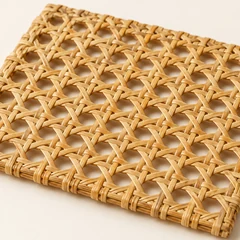
Natural rattan is plant-based; synthetic versions recreate the weave with materials such as polyethylene. Exposed outdoor use calls for a suitably specified synthetic version.
Applications
Chairs, armchairs and woven panels.
Care and selection
Brush gently between the weave. Protect natural rattan from rain and prolonged damp; check synthetic versions for UV resistance.
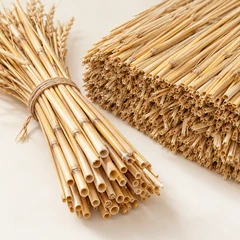
Dried plant stems used for traditional thatching and natural-looking compositions. Plant source and preparation vary; not synonymous with bamboo or rattan.
Applications
Plant-based roof coverings and decorative details, subject to project specification. Not a waterproof or structural solution in itself.
Care and selection
Confirm plant species, support, installation, fire performance and maintenance. Allow for rain exposure, ventilation and replacement of deteriorated sections.
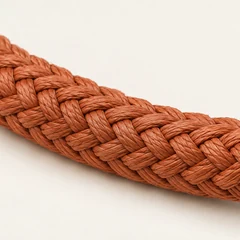
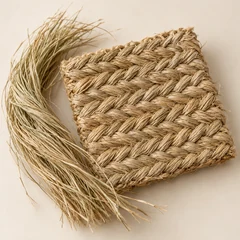
Plant fibre worked into ropes, braids and mats. Texture and construction depend on preparation and weaving; distinct from thatch, rattan and synthetic fibres.
Applications
Mats, baskets and woven decorative elements, depending on the piece. The fibre name alone does not establish suitability for exposed outdoors or seating.
Care and selection
Confirm composition, support and cleaning with the supplier. For outdoor use, explicitly check moisture, sunlight, fire performance and product-specific maintenance.
Images show combinations of textures and finishes; appearance does not verify composition or technical classification.
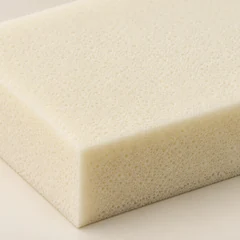
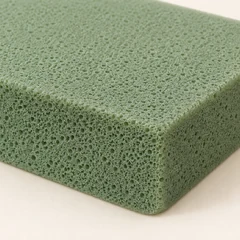
Flexible PU in different densities and firmnesses. Can be cut/layered; conventional alone does not determine lifespan or comfort.
Applications
Indoor seats, backs and upholstery sized for load and thickness.
Care and selection
Confirm density, tested firmness, thickness and assembly. Colour does not identify quality. Care and fire behaviour depend on the grade; flame retardant does not mean non-combustible.
Images show combinations of textures and finishes; appearance does not verify composition or technical classification.
PU formulated for elastic response/recovery. Density and firmness are separate specifications; HR does not automatically mean harder.
Applications
Indoor sofa/armchair seat cores. Specify response and complete construction.
Care and selection
Confirm density, tested firmness, thickness and assembly. Colour does not identify quality. Care and fire behaviour depend on the grade; flame retardant does not mean non-combustible.
Images show combinations of textures and finishes; appearance does not verify composition or technical classification.
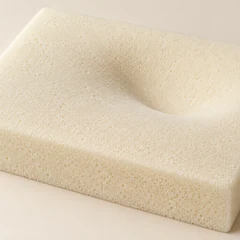
Slower recovery, depending on formulation/temperature. Can be a comfort layer; does not always replace a support core.
Applications
Contact layers in indoor cushions/upholstery with suitable support, without therapeutic claims.
Care and selection
Confirm density, tested firmness, thickness and assembly. Colour does not identify quality. Care and fire behaviour depend on the grade; flame retardant does not mean non-combustible.
Images show combinations of textures and finishes; appearance does not verify composition or technical classification.
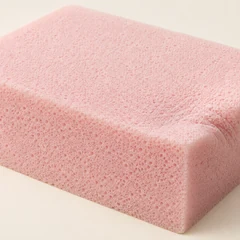
PU formulations for soft initial contact and volume. Softness does not define density; thickness/core affect final feel.
Applications
Backs, arms and seat top layers over an appropriately sized support base.
Care and selection
Confirm density, tested firmness, thickness and assembly. Colour does not identify quality. Care and fire behaviour depend on the grade; flame retardant does not mean non-combustible.
Images show combinations of textures and finishes; appearance does not verify composition or technical classification.
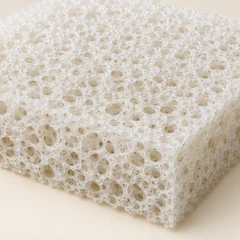
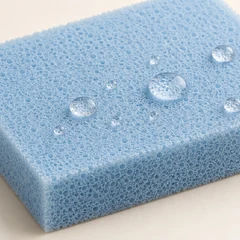
Reticulated open pores promote airflow/drainage. Not waterproof; drying time also depends on cover, seams, ventilation and weather.
Applications
Outdoor lounge/chair/sunlounger cushions with suitable grade and draining cover system.
Care and selection
Confirm density, tested firmness, thickness and assembly. Colour does not identify quality. Care and fire behaviour depend on the grade; flame retardant does not mean non-combustible.
Images show combinations of textures and finishes; appearance does not verify composition or technical classification.
Formulated to reduce water affinity according to product. Not synonymous with reticulated foam and does not waterproof a complete cushion.
Applications
Outdoor/marine upholstery only with approved grade. Check absorption, drying and full assembly.
Care and selection
Confirm density, tested firmness, thickness and assembly. Colour does not identify quality. Care and fire behaviour depend on the grade; flame retardant does not mean non-combustible.
Images show combinations of textures and finishes; appearance does not verify composition or technical classification.
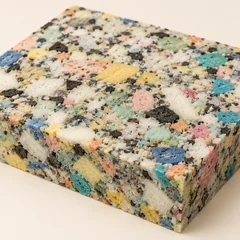
Foam chips bonded and pressed into blocks. Density, binder and chip mix affect response; not equivalent to homogeneous virgin foam.
Applications
Bases/technical parts sized for use. No acoustic or impact-absorption claims without specific testing.
Care and selection
Confirm density, tested firmness, thickness and assembly. Colour does not identify quality. Care and fire behaviour depend on the grade; flame retardant does not mean non-combustible.
Images show combinations of textures and finishes; appearance does not verify composition or technical classification.
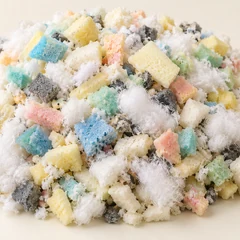
Chopped foam alone or blended with fibres for loose filling. Ratio, size and containment define bulk/settling; not a structural block.
Applications
Back/cushion filling with suitable inner bag; some poufs by design. May need redistribution; no presumed outdoor suitability.
Care and selection
Confirm density, tested firmness, thickness and assembly. Colour does not identify quality. Care and fire behaviour depend on the grade; flame retardant does not mean non-combustible.
Guides to help you chooseKey distinctions to guide your choice.+
Compare before choosing
Differences that matter.
Similar-looking surfaces can have different compositions and behaviour.
01
304 or 316 stainless steel?
+
304
Versatile for interiors and less aggressive environments.
316
Molybdenum improves chloride resistance. Maintenance and exposure-appropriate selection remain essential.
02
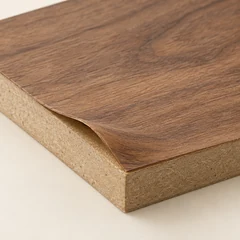
MDF, particleboard or plywood?
+
MDF
Fine fibres and a uniform surface.
Particleboard
Pressed wood particles.
Plywood
Bonded veneer layers, generally with alternating grain.
03
Solid wood, veneer or melamine?
+
Solid wood
Wood throughout the thickness of the piece.
Veneer
A thin natural wood layer over a core.
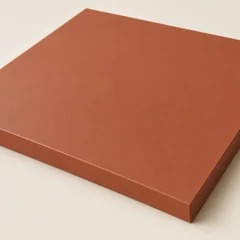
Melamine
A decorative board facing, rather than natural veneer.
#218Concept
Shall we choose together?
Space, sunlight, moisture, comfort and maintenance help us find the right combination for your project.
Composition, colour and finish are confirmed against the references and samples selected for your proposal. Images show combinations of textures and finishes; appearance does not verify composition or technical classification.
 Metals